
After CES, the Harder Question: How Does Innovation Actually Land?
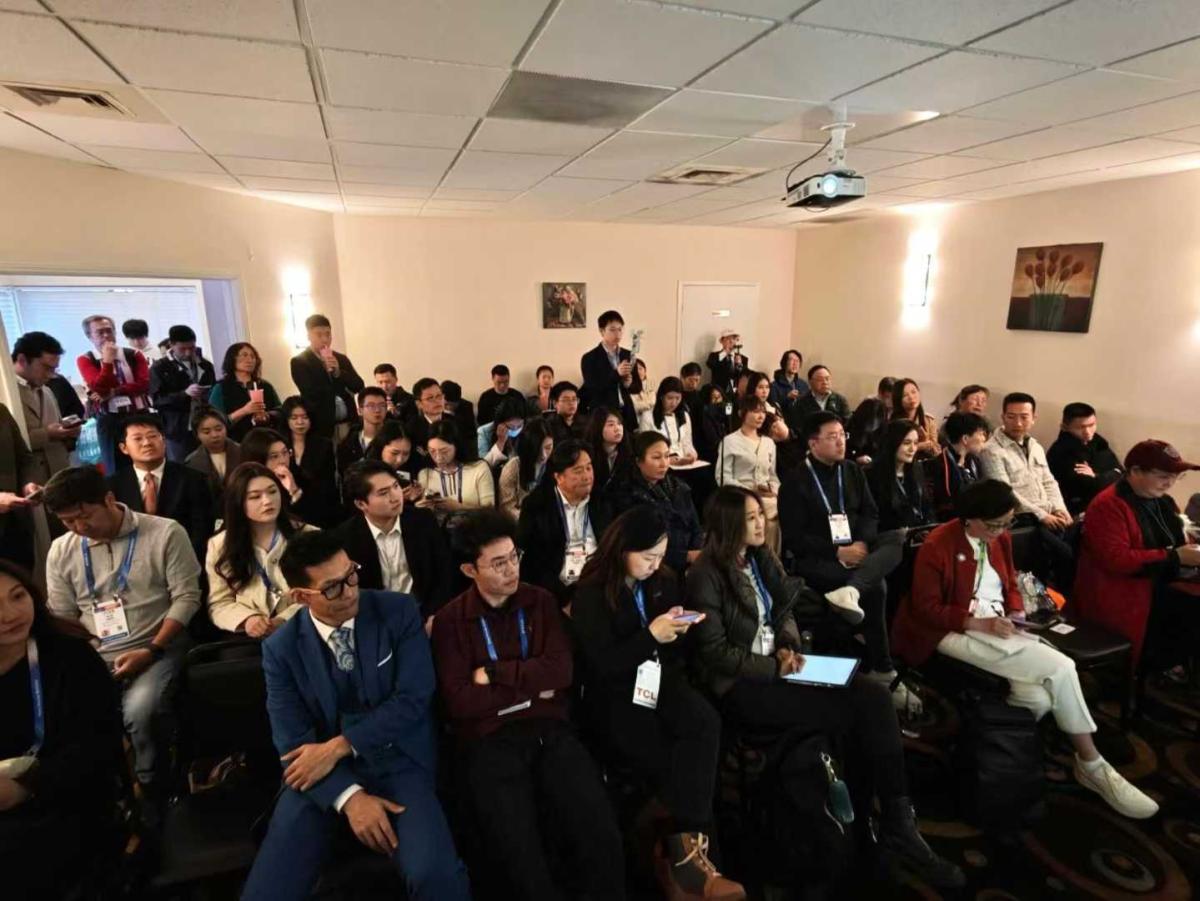
On January 11, 2026, the World Speakers Series convened at Stanford University in Silicon Valley. Co-hosted by Boston International Business School (BIBS) and the Global Green Development Alliance, the forum formed a key stop in the broader AI-Driven Future Innovation Week, following closely on the momentum of the World Speakers Series held earlier at CES.
The forum brought together distinguished guests including Gao Pengfei, Science and Technology Counselor at the Chinese Consulate General in San Francisco; Fang Peng, PhD, Co-Chair and Board Member of the Global Green Development Alliance and Strategic Advisor to Walden International; Zhang Xiaofeng, President of the Global Green Development Alliance; and Gloria Liya Rong, Executive Dean and Co-Founder of BIBS. The event was moderated by Jing Zhao, a globally recognized public affairs and business leader.
The Stanford gathering shifted the conversation decisively—from showcasing technology to interrogating deployment. The focus was clear: how artificial intelligence and green energy transition from promising ideas into scalable, investable, and operational systems.
Innovation Lives Where Academia, Capital, and Industry Intersect
Opening remarks set the tone. Fang Peng, PhD, Co-Chair and Board Member of the Global Green Development Alliance, emphasized that Stanford and Silicon Valley remain uniquely positioned at the intersection of research, entrepreneurship, and capital.
The goal of the forum, he argued, was not to celebrate "good technology" in isolation, but to accelerate its encounter with real scenarios, real partners, and real execution capacity. As AI and green energy enter a phase of rapid commercialization, competitive advantage increasingly depends on business models, engineering discipline, and operational speed—not novelty alone.
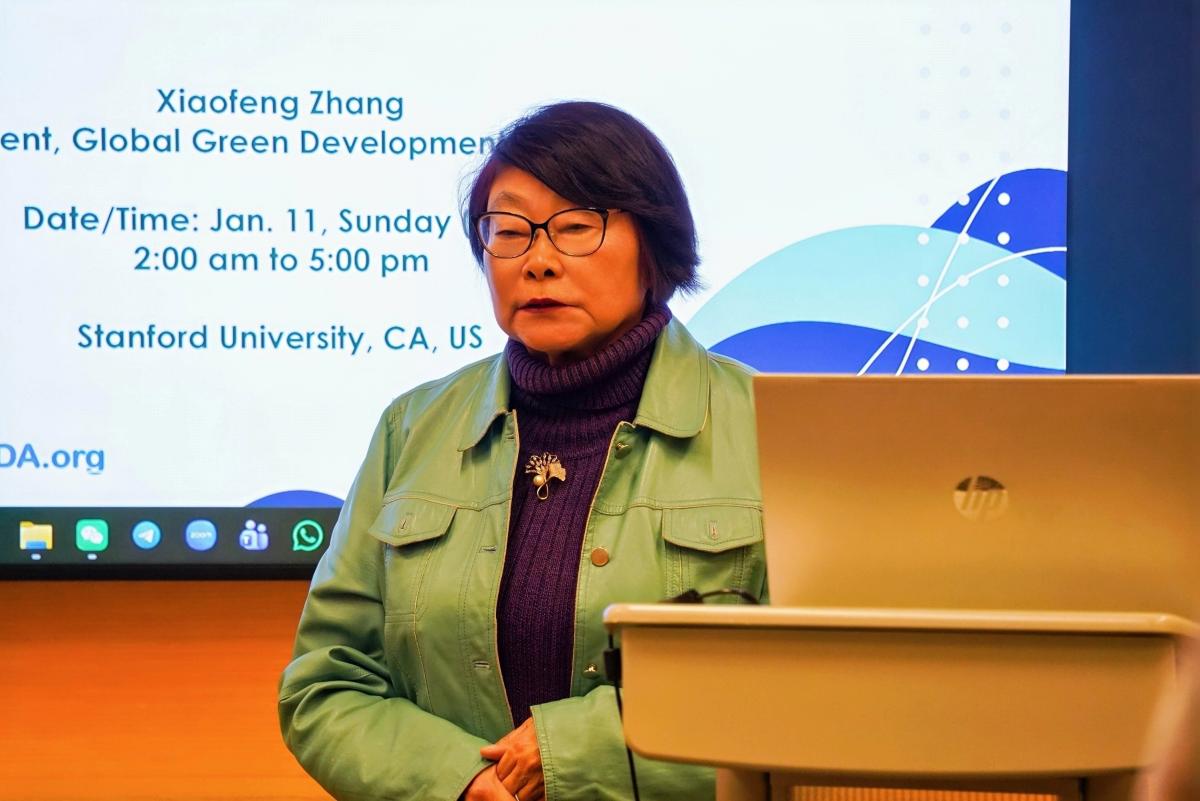
Zhang Xiaofeng, President of the Global Green Development Alliance, reinforced this framing. Global energy transition and climate goals, she noted, are no longer abstract commitments; they are shaping concrete industrial and investment decisions. The Alliance, headquartered in the San Francisco Bay Area, remains committed to advancing clean energy, climate action, and public health initiatives—and continues to serve as a platform connecting global leaders, professional organizations, governments, and industry to integrate policy, business, investment, and R&D toward real-world outcomes.
From Demonstration to Application: Education as Infrastructure
Gloria Liya Rong, Executive Dean and Co-Founder of BIBS, placed the Stanford forum in a post-CES context. Innovation, she argued, cannot stop at exhibition and announcement—it must move into application, talent development, and institutional adoption.
BIBS's educational model reflects this belief. By embedding AI, digital finance, and sustainability into a rigorous business curriculum—combined with small cohorts, mentorship, and real-world projects—the institution aims to convert emerging technology into applied leadership capability. Forums like this one, she noted, serve as connective tissue between entrepreneurs, investors, and global partners.
When AI Becomes Core Capability, Not Just a Tool
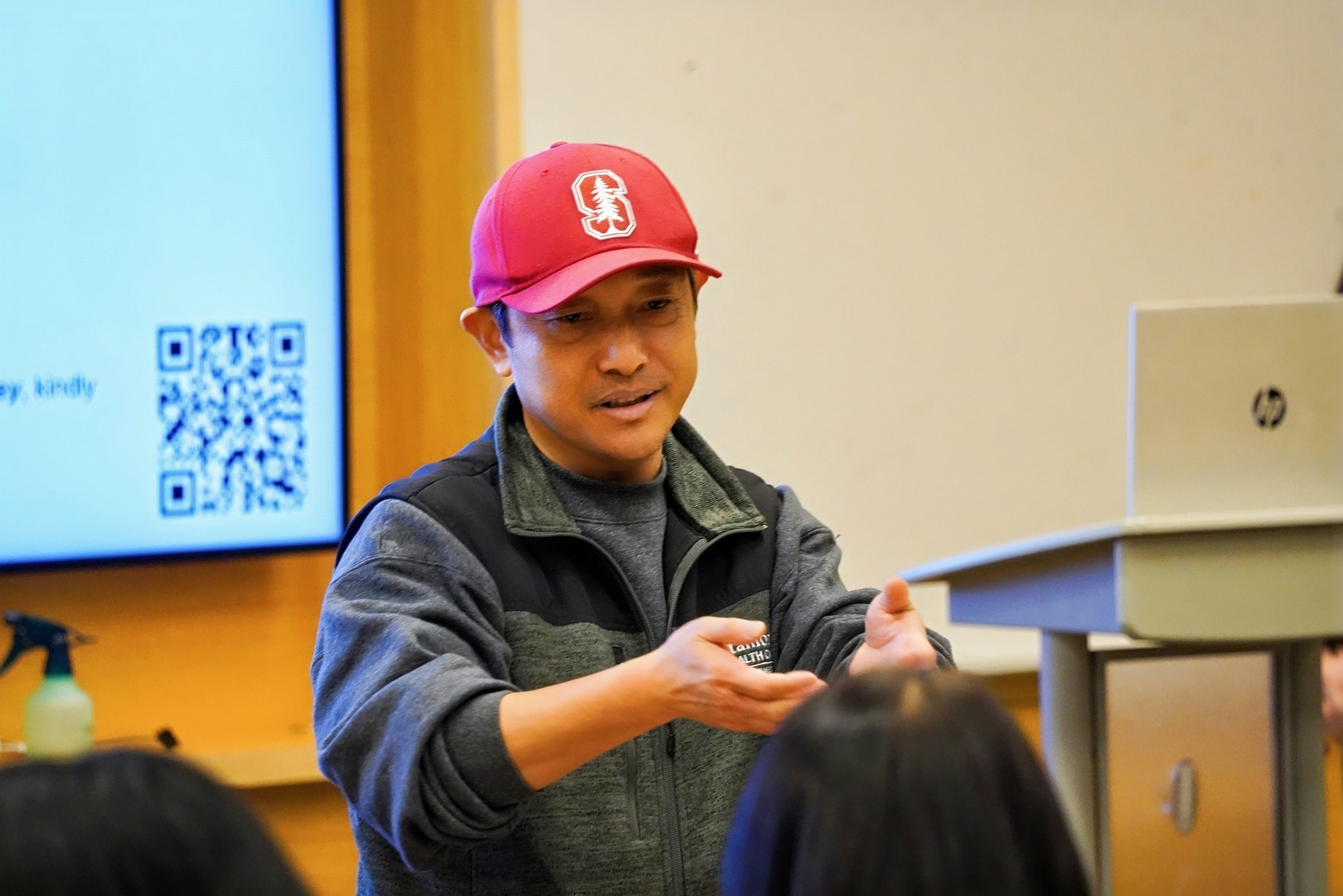
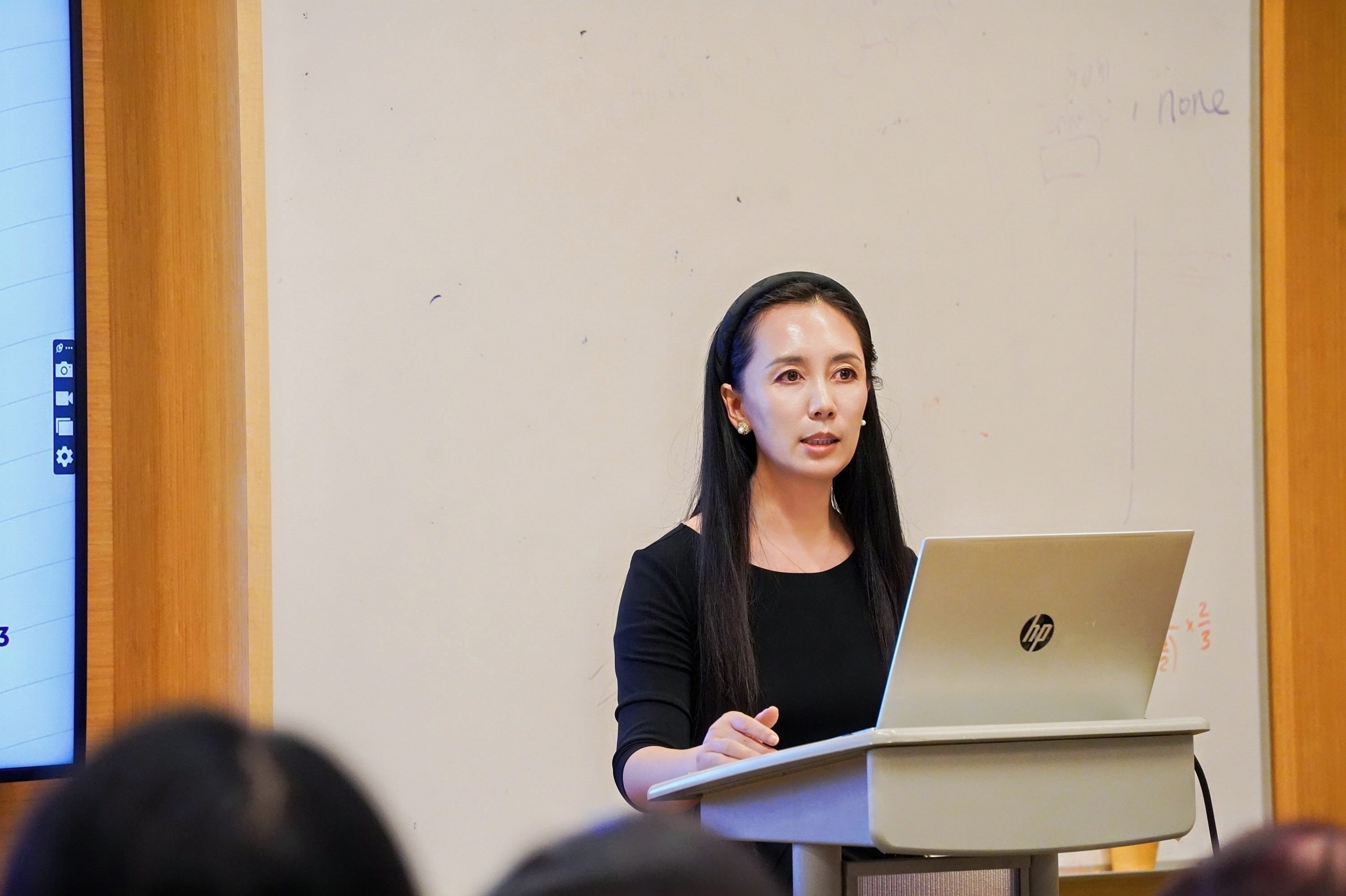
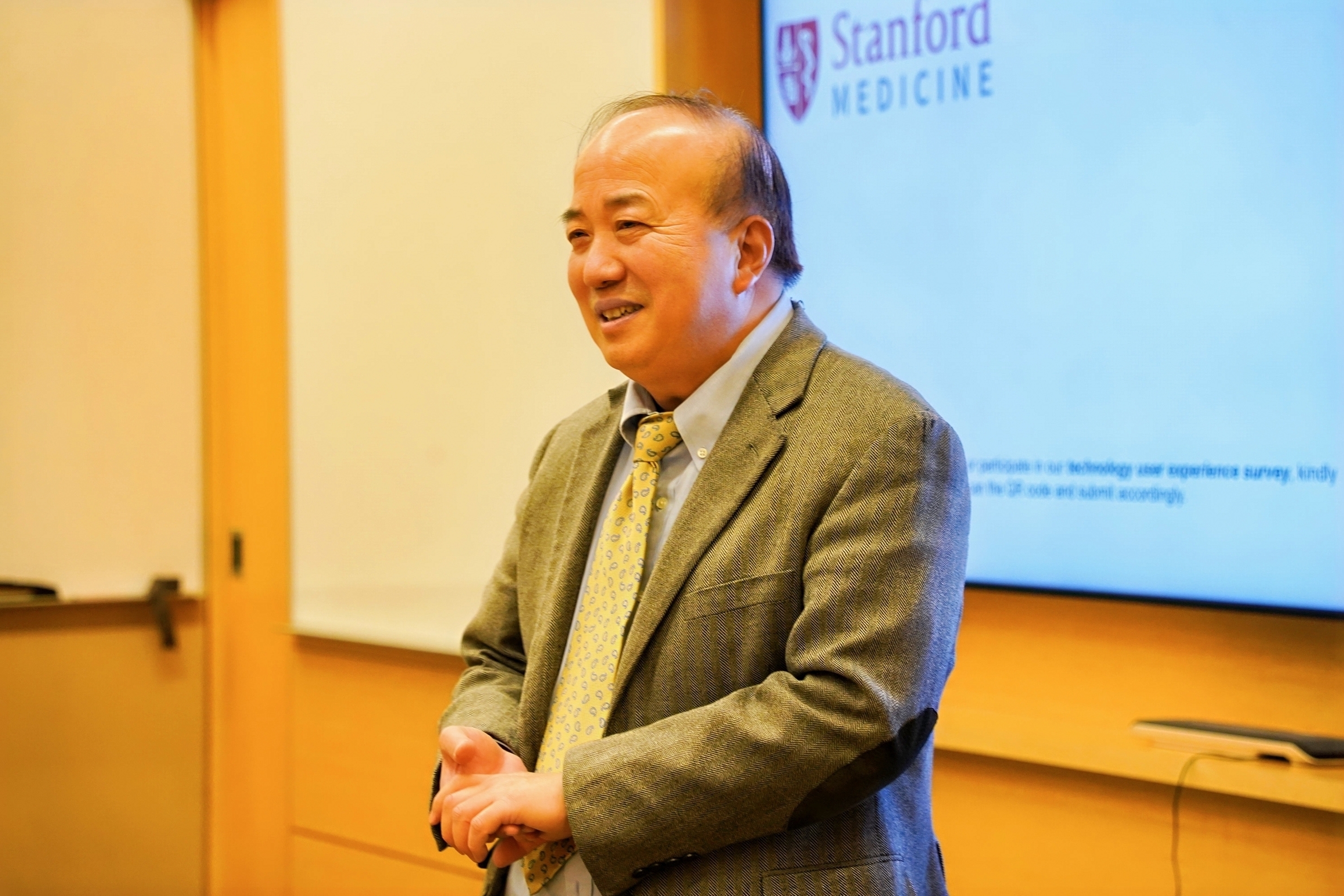
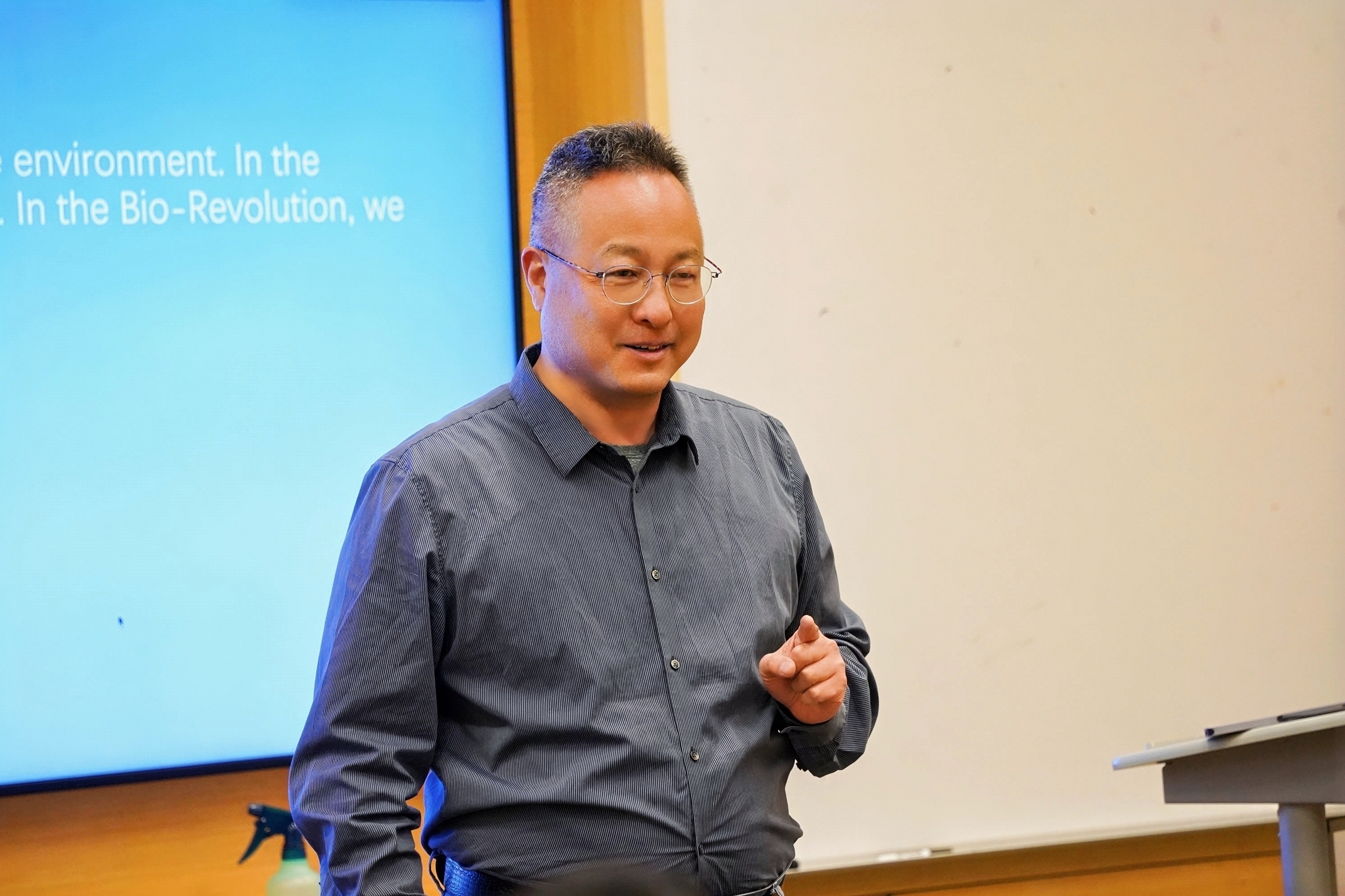
In the main thematic sessions, speakers from academia and industry converged on a shared insight: AI is evolving from an auxiliary technology into a core organizational capability. Guests exchanged views spanning AI application deployment, green energy and industrial transformation, finance and quantitative investment, technology education and gender equity, information security, and AI risk governance.
Hong Lou, Professor at Stanford University and Executive Director and Vice President in investment analysis at Wells Fargo, articulated this shift through the lens of enterprise transformation. Successful AI adoption, he argued, is not about stacking technologies, but about upgrading decision-making systems and organizational structure.
He outlined three conditions for sustainable AI transformation:
- Resilience: maintaining structural stability amid uncertainty
- Persistence: treating AI as a long-term strategy rather than a pilot project
- Focus: anchoring deployment in high-value, core business scenarios
The message resonated across the room: AI maturity is less about experimentation and more about discipline.
The New Arena of AI Competition: Energy and Infrastructure
As discussions progressed, a deeper structural tension came into focus. AI competition is rapidly extending beyond algorithms into energy supply, infrastructure, and financing.
With large-scale model training and inference driving exponential growth in electricity demand, traditional power grids face approval bottlenecks, transmission constraints, and escalating costs. Speakers explored multiple emerging pathways:
- Locating compute near energy sources
- On-site power generation adjacent to data centers
- Repurposing legacy infrastructure, including former mining facilities
The implication was unambiguous: the industrialization of AI will be constrained—or enabled—by energy systems. Algorithms alone will not determine winners.
Youth Leadership: Shortening the Research–Engineering–Application–Capital Chain
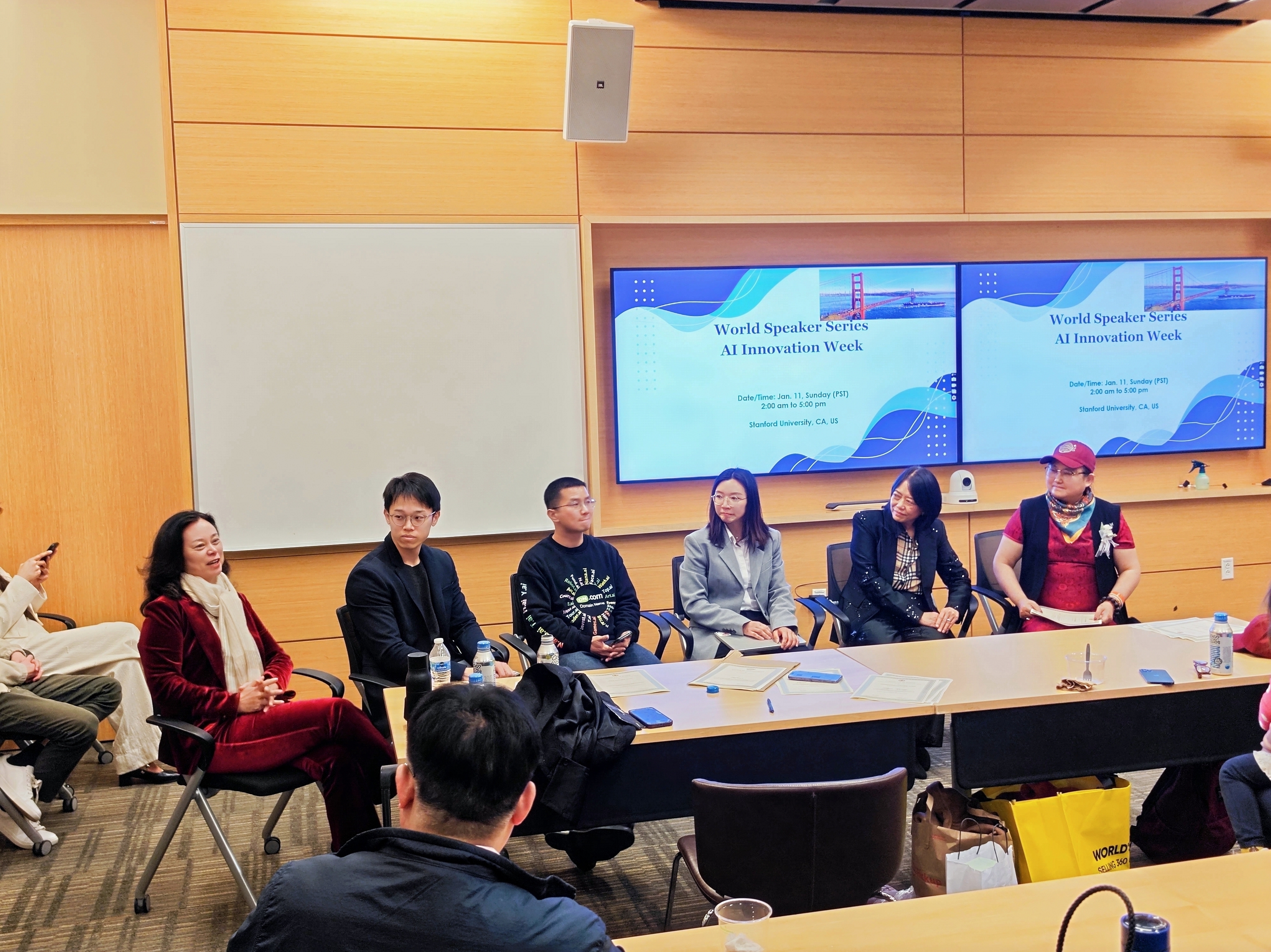
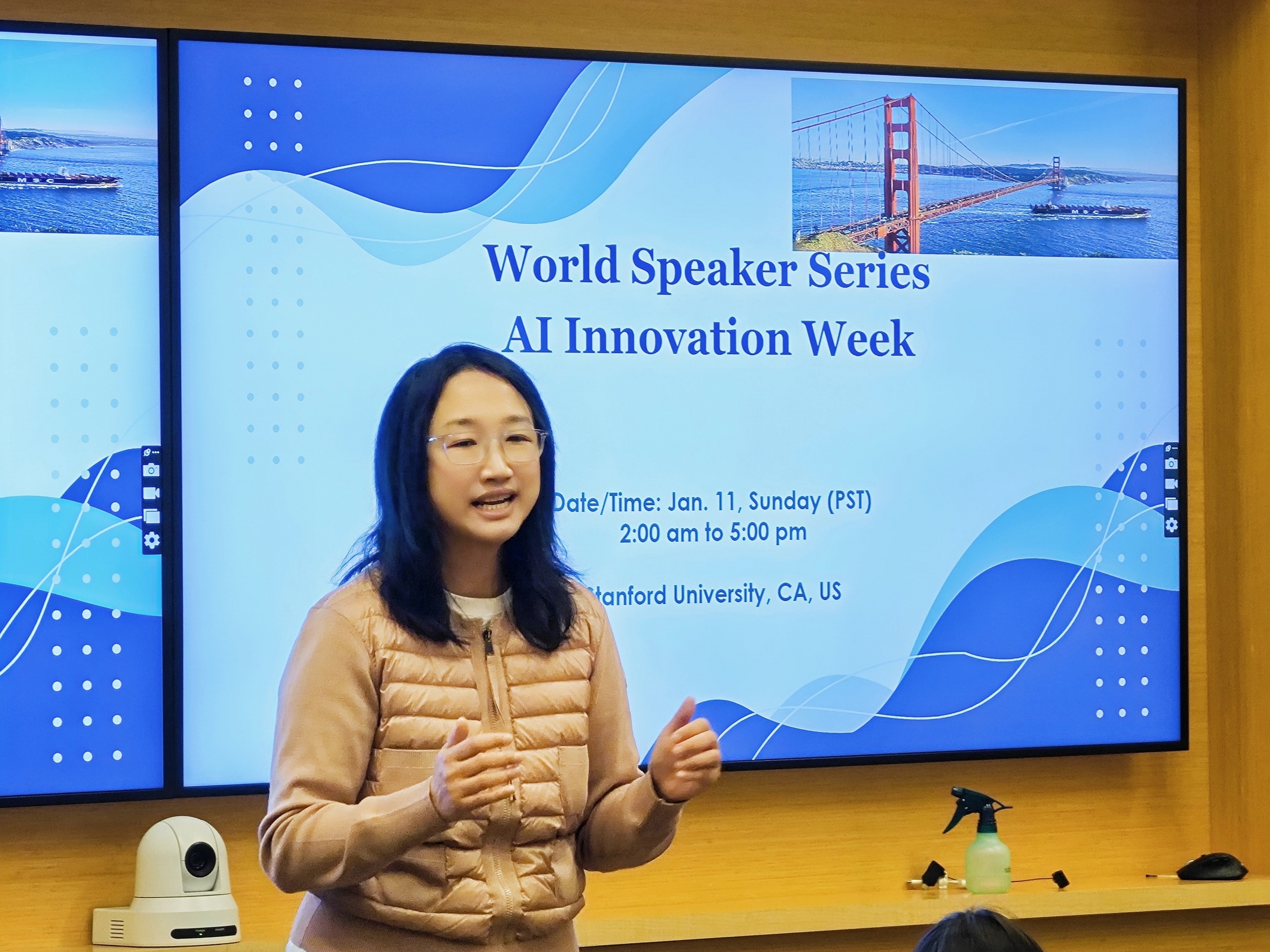
Running alongside the main forum was the Youth Leaders Forum, designed to connect emerging researchers, founders, and practitioners with senior leaders across sectors. The forum's mission: to link young talent, engage with the technology frontier, and support youth entrepreneurship in AI and sustainable development.
The roundtable was moderated by Huiying Zheng, PhD, Vice President of the Global Green Development Alliance and Co-Chair of its Youth Division. Panelists included Alice Xu, Founder of Stealth Mode Startup; Edward Chen, Tax Equity Financing Lead for New Energy at Generate Capital; and Ziyue Jiang, Chair of the Alliance's Youth Division. Discussion covered technology innovation, industrial deployment, energy-compute synergy, project financing, youth talent development, and cross-sector collaboration.
Startup pitches were organized by Selena Wu, PhD, Postdoctoral Researcher at the University of Pennsylvania and Founder and Chair of Penn's Global AI Alliance. Evaluators included Paul McEntire, Chair of Palo Alto Advisors and Secretary-General of Stanford's Angel Investment Fund, and Xiaoyu Xu, PhD, Managing Partner at Amino Capital. Projects spanned pet companion robotics, AI education curriculum platforms, AI-real estate integration, and eduSprout.ai—evaluated not only on technical merit, but on commercialization logic and deployment readiness.
Recognition and Continuity: From Dialogue to Collaboration
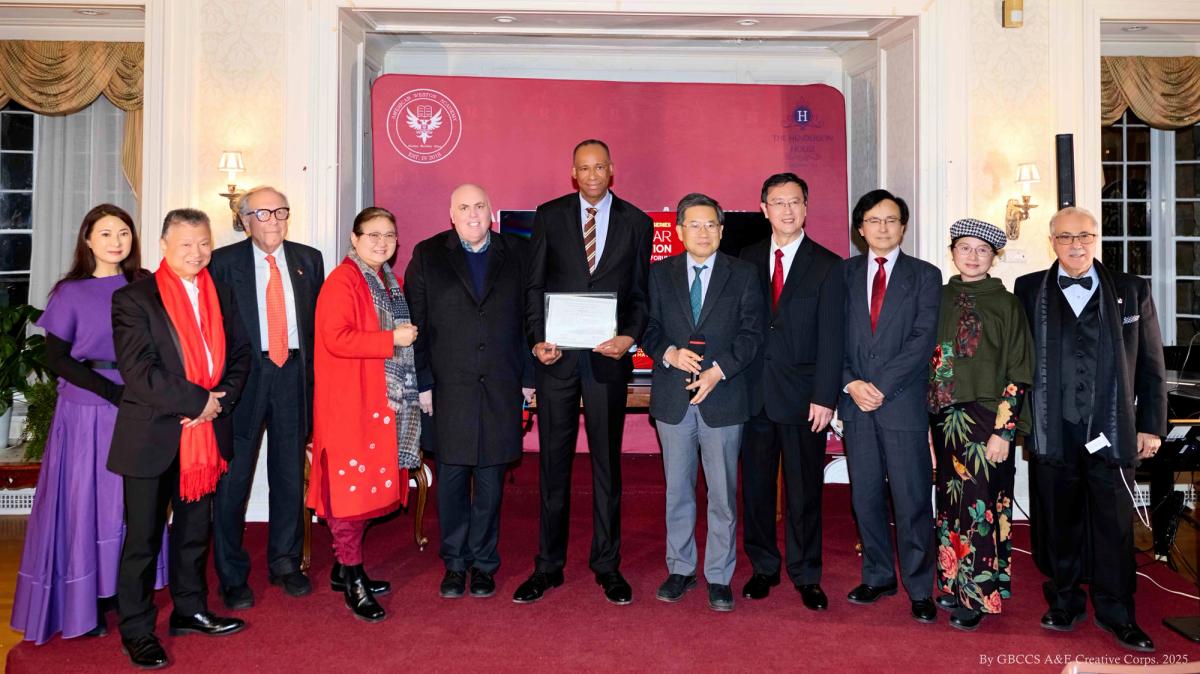
The forum concluded with the presentation of Outstanding Leadership Awards to Hong Lou, Fang Peng, PhD, Jin Peng, John Li, Hanya Hu, Jing Zhao, Xiaoyu Xu, PhD, and Yue Dai, recognizing their contributions across academia, industry, and civil society in advancing AI and sustainability. Global Innovation Awards were presented to Selena Wu, Sophia Jiang, Edward Chen, and Jason Fu, signaling an explicit commitment to generational continuity.
Organizers emphasized that the Stanford forum was not a standalone event, but part of a broader effort to link global innovation resources and accelerate applied collaboration across AI and green energy ecosystems. Plans were announced to continue the AI-Driven Future Innovation Week series, promoting cross-sector collaboration and applied deployment in AI, green energy, and related fields.
Conclusion: The Future Will Be Won on Systems, Not Slides
The Stanford edition of the World Speakers Series underscored a shift already underway.
AI's next phase will not be decided by who builds the most impressive model—but by who can align energy, infrastructure, capital, and talent into coherent systems that work at scale.
In that sense, the most important innovation discussed at Stanford was not a technology, but a mindset: from showcasing ideas to building foundations.s