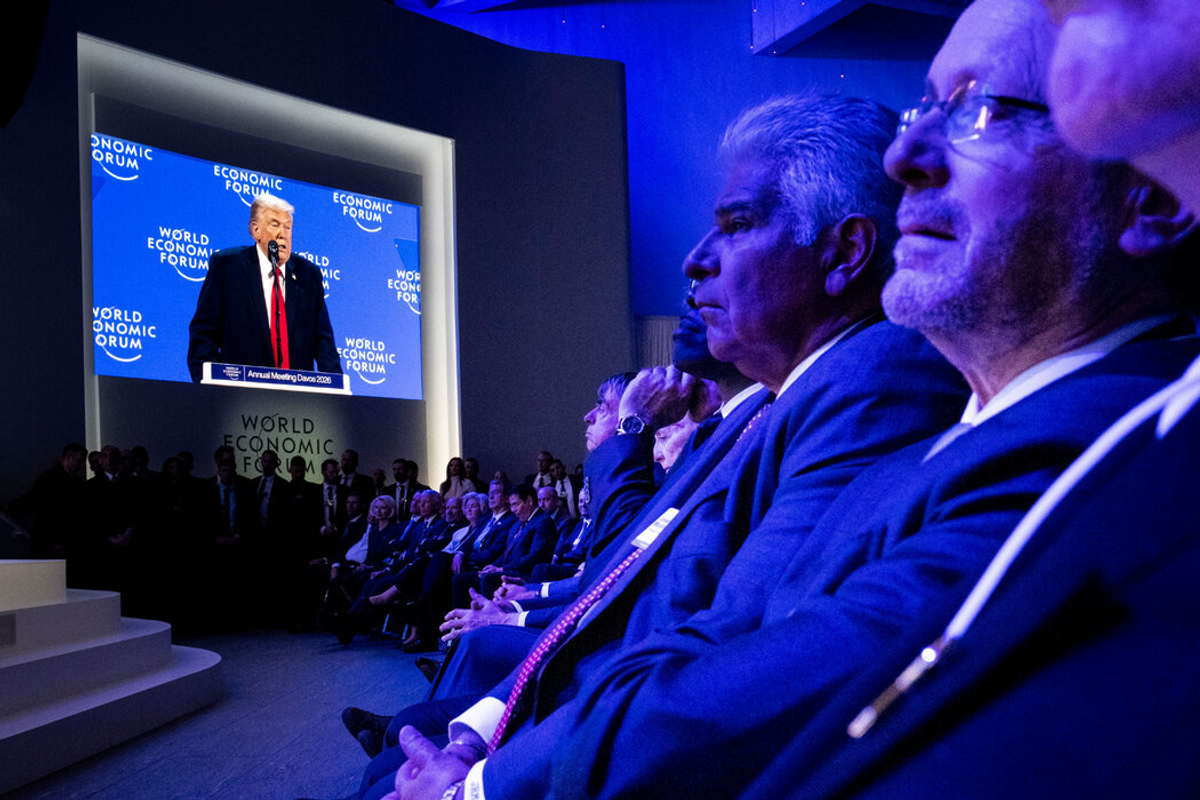
In the past month alone—from CES to the World Economic Forum in Davos—two themes have dominated global conversations: health and artificial intelligence. NVIDIA CEO Jensen Huang underscored this convergence at CES, noting that accelerated computing and generative AI are becoming foundational to life sciences, alongside the release of a new generation of Clara models.
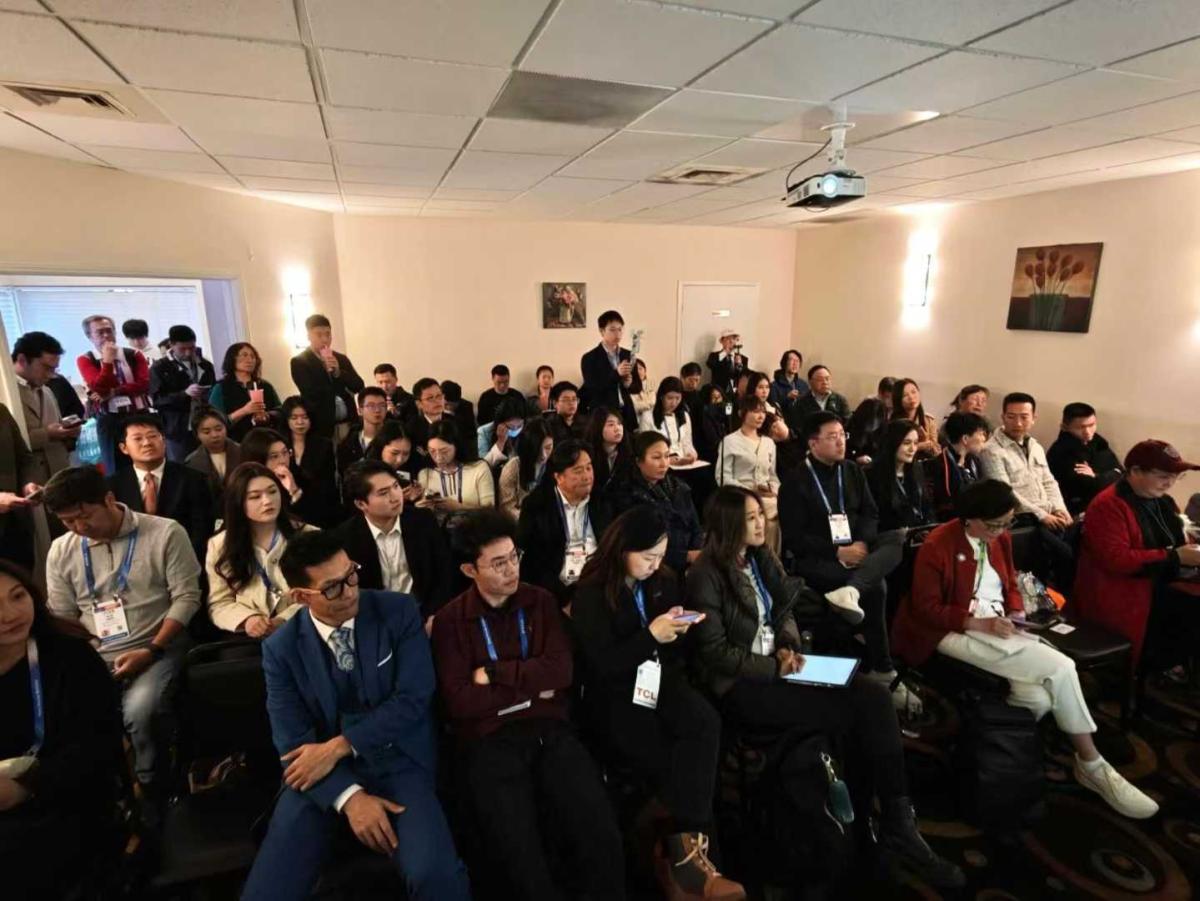
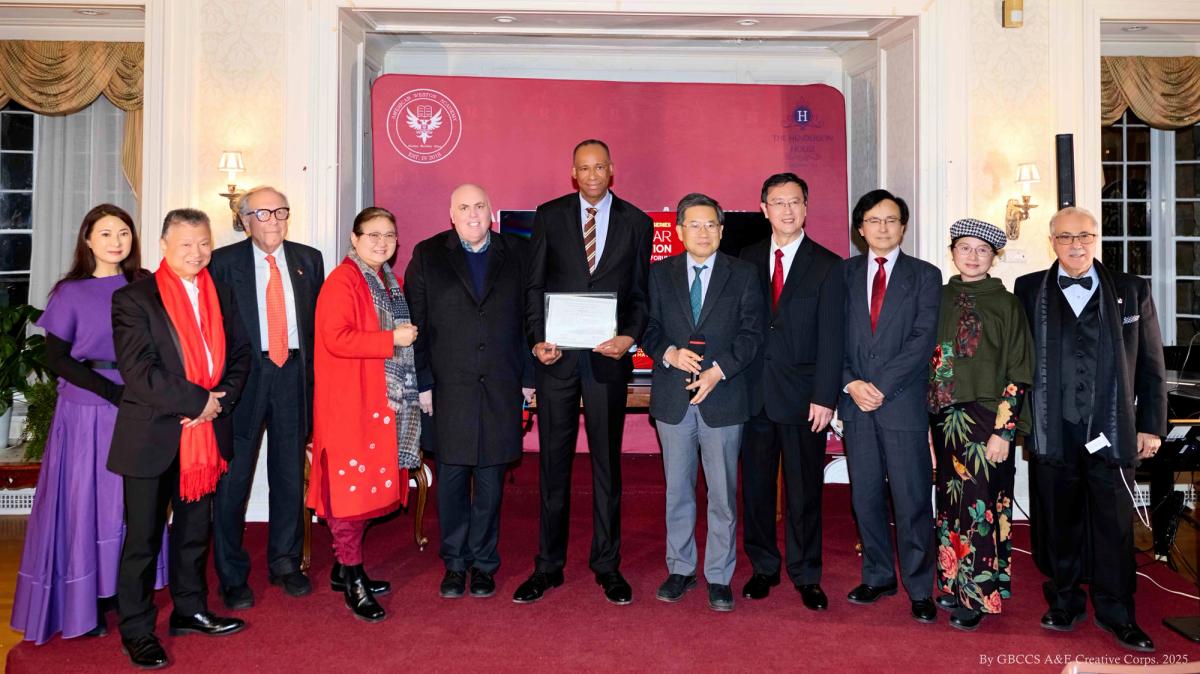
It was against this backdrop that the World Speakers Series · Annual Health Summit, hosted by Boston International Business School, convened at the start of the new year. The forum brought together senior scholars of traditional Chinese medicine (TCM), biomedical researchers, physicians, university faculty, and civic leaders.
In a year marked by rapid advances in AI and biotechnology, the summit focused not on isolated innovations, but on the deeper question: how healthcare systems themselves are being restructured—scientifically, economically, and culturally.
From Nobel Laboratories to Longevity Science
Dr. Liya (Gloria) Rong, co-founder of BIBS and initiator of the forum, opened by tracing a multi-year effort to institutionalize longevity research and education. Since 2018, BIBS has worked with Nobel laureate Jack Szostak and other scientists to establish a dedicated School of Longevity Medicine, now approaching formal approval.
Her framing was clear: longevity is no longer a personal wellness pursuit. It has become an interdisciplinary frontier—spanning molecular biology, AI, public health, and social systems—requiring institutional coordination rather than individual optimization.
Pain, Opioids, and the Re-Emergence of Non-Pharmaceutical Care
Changzhen Gong, a leading scholar of traditional Chinese medicine, addressed the opioid crisis through a clinical and systems lens. Roughly one-third of adults experience chronic pain, and opioid misuse has produced a public health emergency.
Gong highlighted acupuncture as a scientifically validated, non-pharmaceutical intervention. Institutions including the American College of Physicians, the FDA, and The Joint Commission now recommend acupuncture for acute and chronic pain. Clinical studies published in top-tier journals have reinforced its efficacy through mechanisms such as gate control theory.
The broader implication is not cultural nostalgia, but functional reassessment: practices once considered “alternative” are being reintegrated because they solve modern problems that pharmacology alone has struggled to address.
From “Soft Losses” to Manageable Risk
Jack Y. Liu, a Harvard-trained cardiac surgeon and hospital executive, introduced the concept of “soft losses”—financial and reputational damage stemming from poor communication, flawed processes, and degraded patient experience. These losses rarely appear on balance sheets, yet quietly erode institutional performance.
His proposal was managerial rather than philosophical: quantify the intangible. By reverse-engineering legal settlements and complaints into proxy metrics, hospitals can build traceable systems that allow intervention before risk crystallizes.
This approach reframes quality improvement not as moral aspiration, but as operational discipline.
Preventive Vision in a Screen-Saturated World
Physician Deguang He approached modern vision decline from a traditional Chinese medicine framework. Excessive screen use, he argued, produces cumulative strain rather than sudden damage.
Drawing on the principle that “the liver opens to the eyes,” He emphasized preventive relaxation practices—combining breath regulation, posture, and gentle qigong-based eye exercises. The cost-benefit logic is simple: early, low-intensity interventions prevent high-cost degeneration later.
Rethinking Insomnia as a Systems Imbalance
Zhenzhen Zhang, a senior TCM physician, reframed insomnia not as a singular disorder but as a family of imbalances—affecting roughly 30% of the population, particularly women and middle-aged adults.
From a TCM perspective, causes range from heart-fire excess and qi-blood deficiency to phlegm accumulation and digestive disruption. Her recommendations emphasized self-administered interventions: diaphragmatic breathing, acupressure, warm foot soaks, and structured routines to quiet cognitive overload before sleep.
The emphasis was not on replacement of modern medicine, but on reducing dependence through daily regulation.
Microcirculation as the Hidden Switch of Chronic Disease
Qiuyan Zhao, Chief Scientific Officer of Bowen Therapeutics, approached aging through immunology. Her research points to microcirculatory dysfunction and chronic inflammation as shared pathways linking cardiovascular disease and aging.
The critical insight is scale: lifestyle interventions—sleep, stress regulation, circadian alignment—operate directly at this micro-level. This reframes prevention as a biological intervention, not merely behavioral advice.
Longevity as Functional Independence
Internist Robert Wu challenged a common misconception: longevity is not about maximizing lifespan, but maximizing functional years. Moderate physical activity and sustained social engagement, he argued, outperform extreme regimens.
An individual who remains socially embedded and economically contributive, even at advanced age, enjoys a higher-quality healthspan than a centenarian confined to bed. Longevity, in this sense, is measured in agency.
Drug Discovery in the Realm of Improbability
Medicinal chemist Xuan Yang described drug discovery as an exercise in persistence under extreme uncertainty—where one viable molecule may emerge from hundreds of thousands of failures.
Motivated by a personal family experience with cancer, his work focuses on small molecules targeting RNA. His point was understated but profound: modern longevity is shaped as much by unseen laboratory persistence as by visible clinical success.
Culture, Joy, and the Social Side of Health
Joseph G. Cirnigliaro—raised in Manhattan’s Chinatown, born to an Italian family—offered a cultural perspective on longevity. His family’s multigenerational longevity, he suggested, stems from simple patterns: home cooking, daily movement, olive oil, music, and social connection—supported, not replaced, by modern medicine.
Health, in his view, is sustained not only by treatment, but by meaning.
Bias, Safety, and Structural Health Risks
Attorney Alan Jennings addressed healthcare misdiagnosis driven by systemic bias—particularly affecting Asian and overweight patients. Longevity, he argued, presupposes equitable treatment, which requires institutional safeguards rather than reliance on individual goodwill.
Boston City Councilor Ed Flynn extended the argument to public safety. Anti-Asian hate crimes, he noted, are not merely social injustices but public health threats. Psychological safety forms the base layer of physical health.
A Fragmenting World and the Conditions for Health
Former German ambassador Friedrich Lohr widened the lens further. In a world where food, minerals, and semiconductors are increasingly weaponized, geopolitical fragmentation poses indirect but real risks to global health.
Resilience and multilateral cooperation, he argued, are no longer abstract ideals. They are prerequisites for sustaining health systems in an interdependent world.
The Business Logic of Longevity
Raymond Liu, professor at UMass Boston, concluded by translating longevity into a business framework: customer lifetime value. Using AI models such as random forests and Bayesian optimization, his research shows that loyalty—not transaction size—is the strongest predictor of long-term value.
The lesson carries particular relevance for healthcare and high-trust industries: durable relationships outperform short-term acquisition. Trust compounds.
Closing Reflection
Longevity medicine is no longer a narrow conversation about supplements and screenings. It is a complex system—where AI, drug discovery, hospital management, public policy, social equity, and culture intersect.
As 2026 approaches, health is no longer solely a medical issue. It is a civilizational one.
This summit represents an ongoing effort to ensure that the most advanced thinking on health and longevity does not remain confined to laboratories or elite institutions—but becomes part of how societies design their future.
Source: original Chinese summit recap and materials.